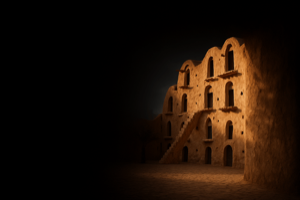
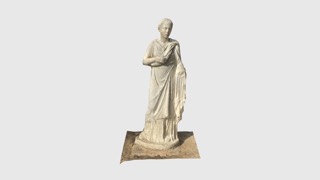
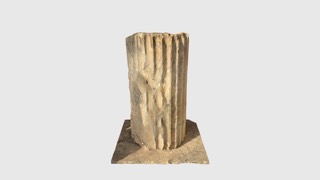
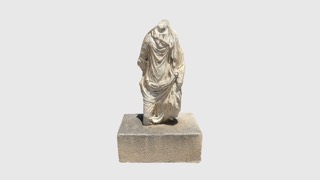
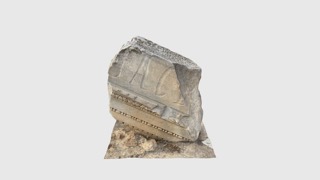
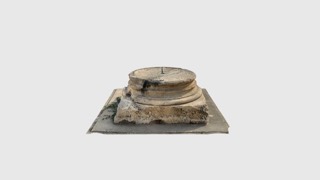
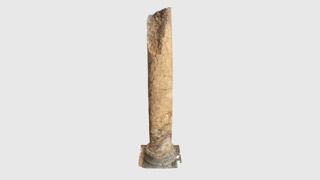
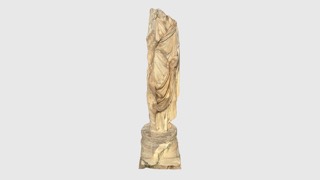
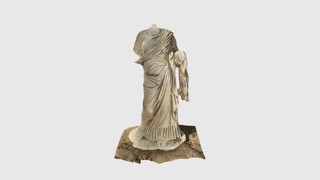
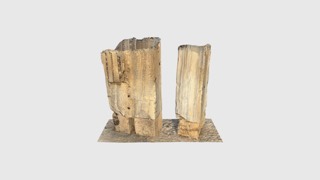
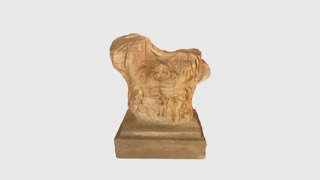
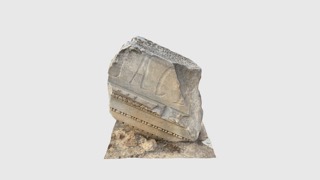
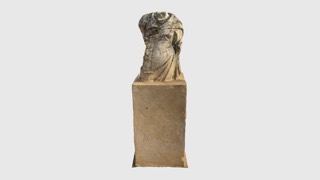
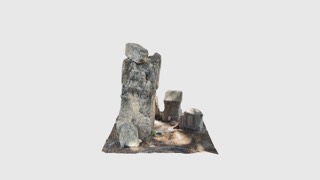
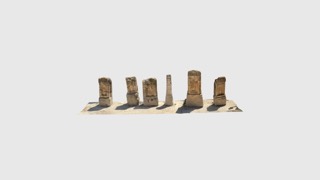
Five halls of real heritage, scanned on location by volunteers with phones and cameras. Every object here can be turned, zoomed and opened in full. Nothing is behind glass.
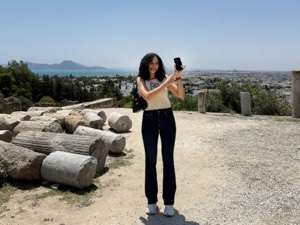
Phoenician settlers founded Carthage and it grew into the capital of an empire that ran the western Mediterranean. Rome destroyed it in 146 BCE, then rebuilt it as the capital of Roman Africa. What stands today is layered. Punic stelae raised to Tanit and Baal Hammon sit a short walk from Roman columns, villa mosaics and the largest bath complex Rome built in Africa. Our volunteers scanned across four areas of the site.
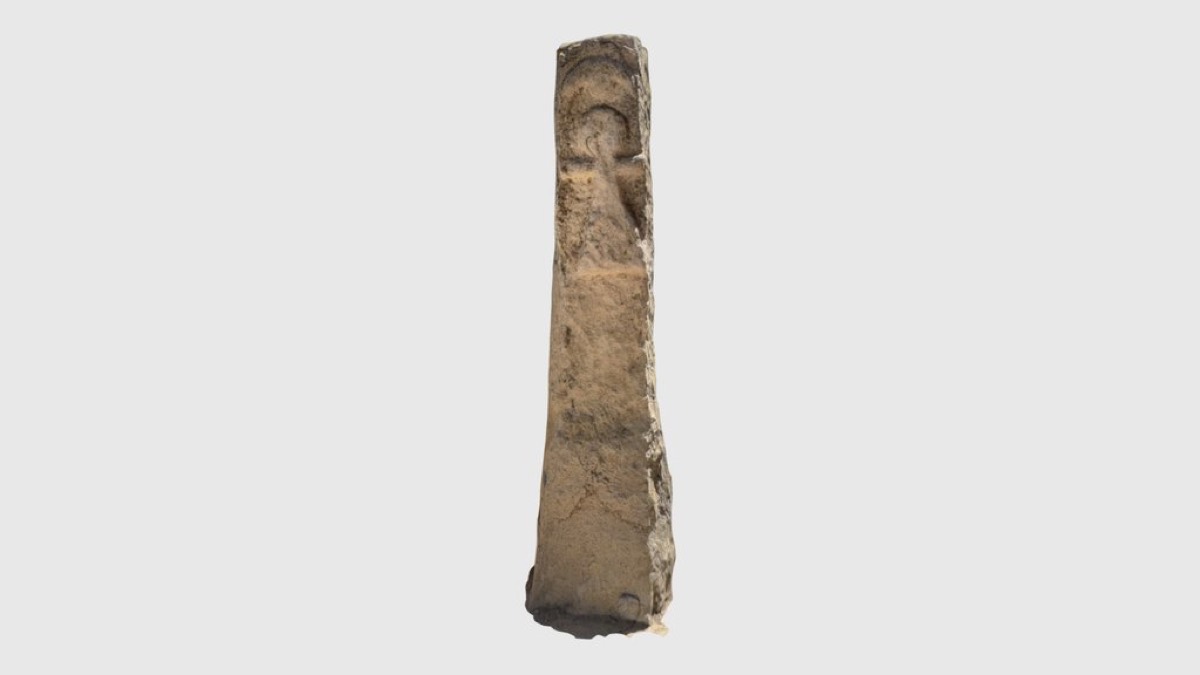
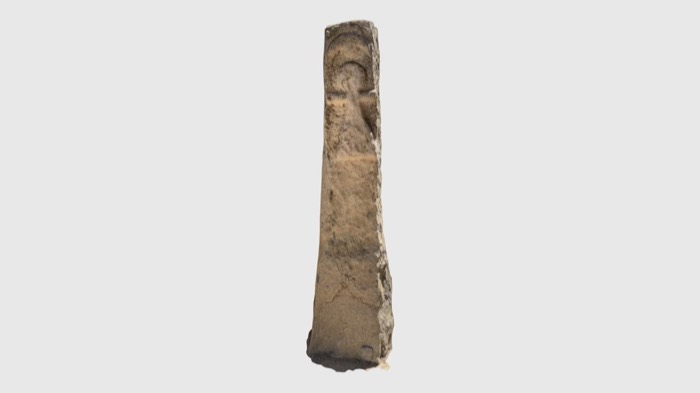
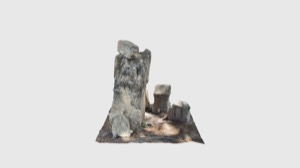
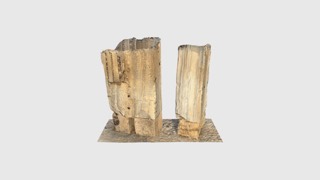
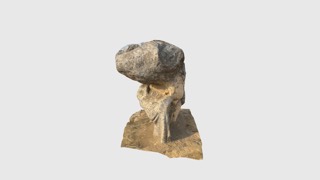
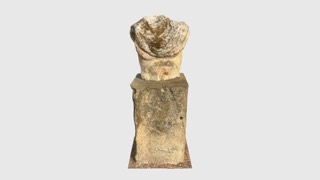
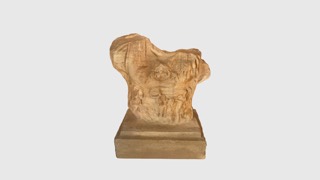
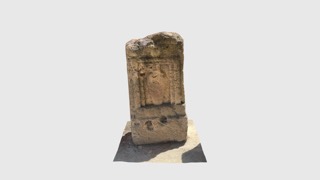
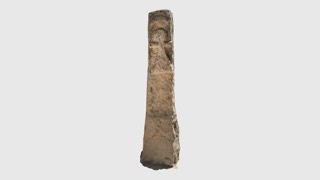
This 3D scan captures a Punic funerary stela from the Tophet of Salammbô, a sacred site in ancient Carthage (present-day Tunisia). The stone is carved with the symbol of Tanit, the principal goddess of the Carthaginian pantheon, represented by a triangle (body), horizontal arms, and a circular head.
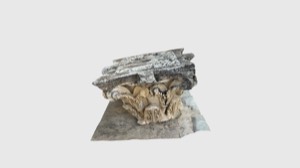
Open the full recordUnder Hadrian, Rome built a temple around a mountain spring at Zaghouan. From here an aqueduct carried water more than 90 kilometres to Carthage, one of the longest in the Roman world. The temple is the monumental head of that system. Niches once held statues of water deities, laurel friezes ran along the cornices, and a Latin slab recorded who paid for it.
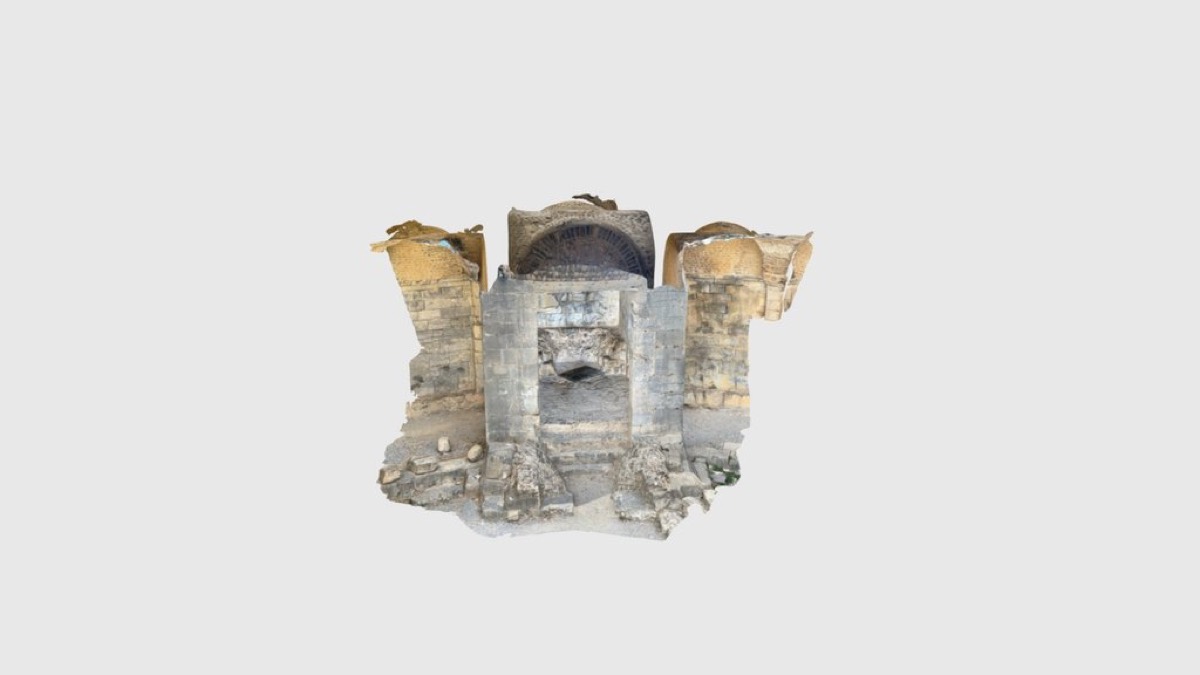
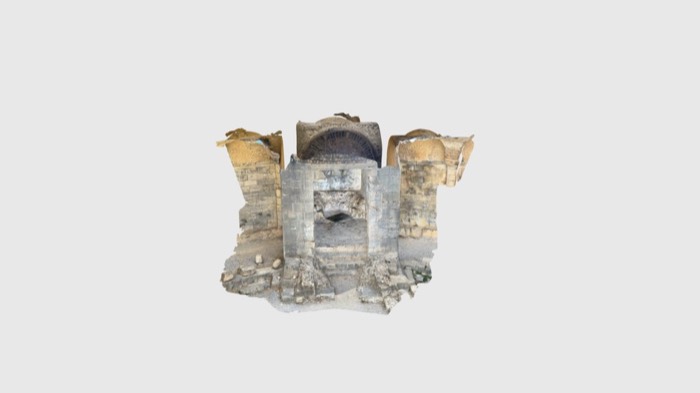
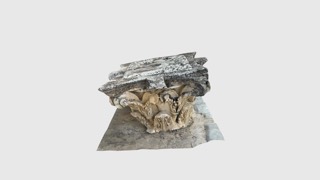
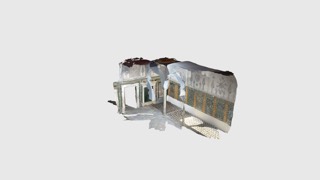
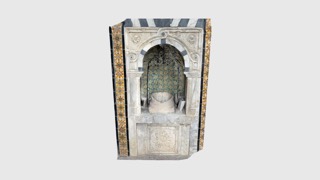
This intricately designed niche is part of the Roman Water Temple in Zaghouan, constructed during the reign of Emperor Hadrian in the 2nd century CE. The temple marked the starting point of the massive aqueduct that carried fresh water over 90 kilometers to the city of Carthage.
Open the full recordKairouan was founded in 670 CE and became the first Islamic city of the Maghreb and its spiritual centre for centuries. The Zawiya of Sidi Sahib, known as the Barber's Mosque, holds some of the finest Ottoman era ceramic tilework and carved stucco in Tunisia. Scanning interiors like these is difficult. The surfaces are reflective, the light is low and the detail is small.
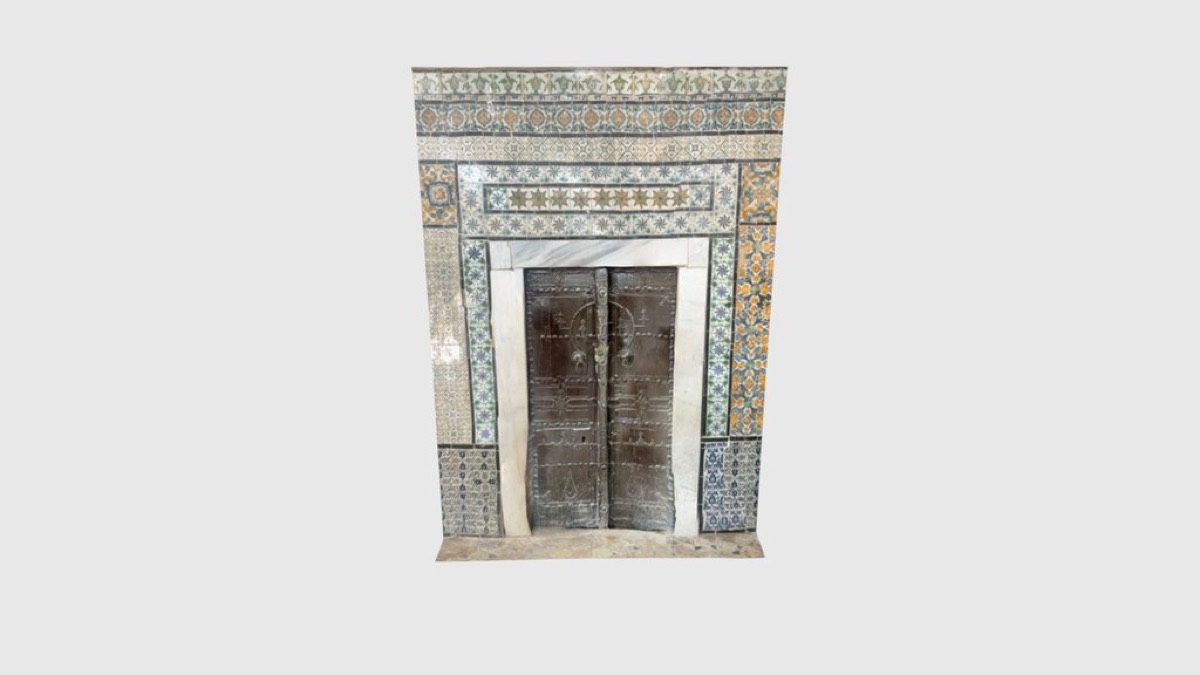
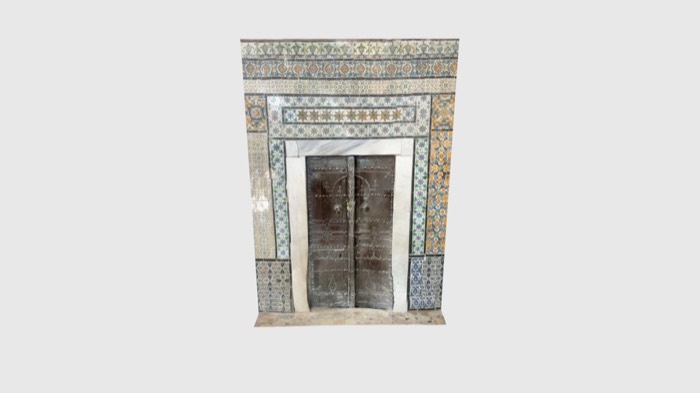
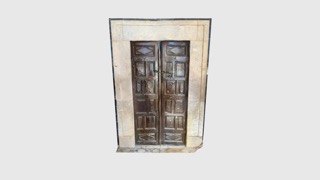
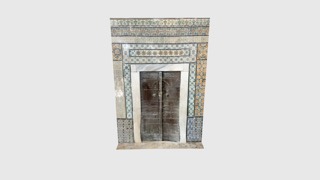
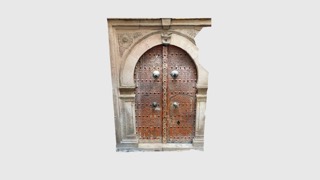
This finely preserved doorway combines a heavy wooden door framed by intricate glazed tilework, characteristic of Tunisian Islamic architectural decoration.
Open the full recordThe medina grew around the Zitouna Mosque and became one of the great cities of the Islamic world under the Almohads and the Hafsids. It is not a ruin. People live and work here now. These scans are doors, wells, looms and prayer niches recorded in streets that are still in daily use, including the Madrasa Al Bachia of 1752 and the Medersa Slimanya.
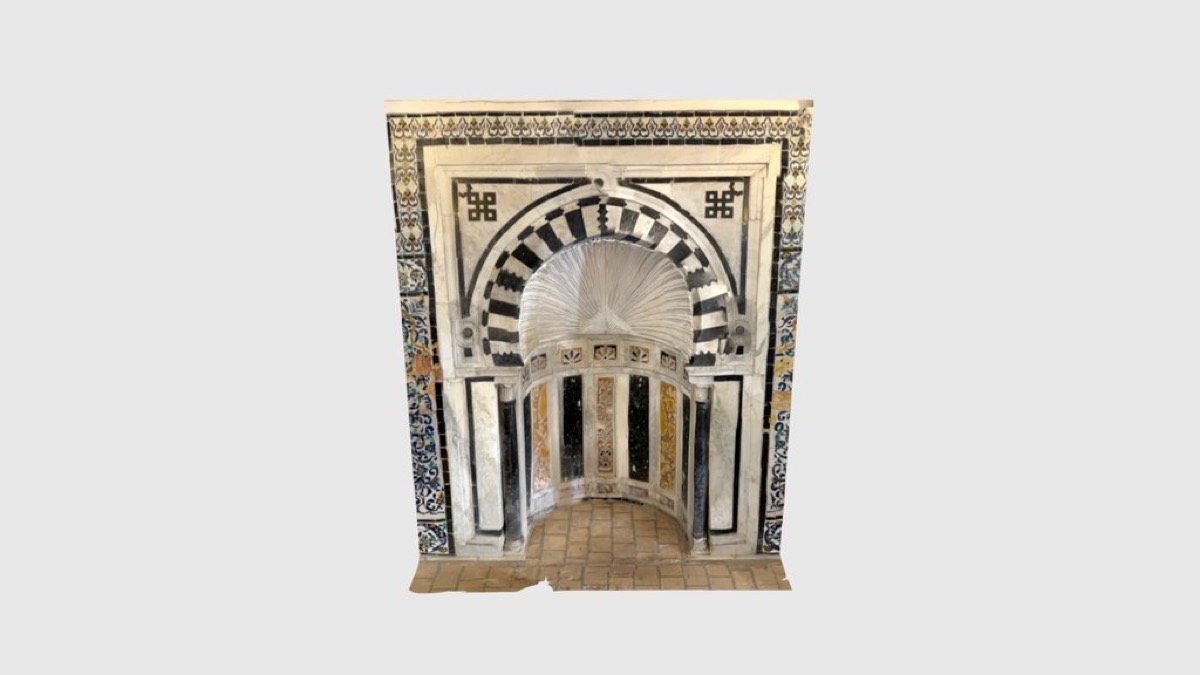
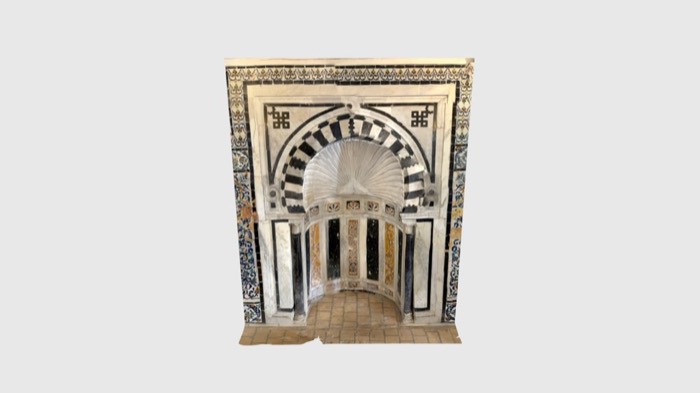
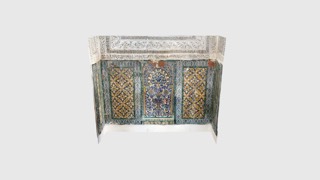
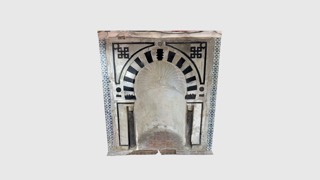
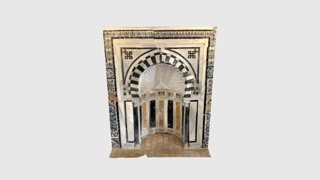
Date/Period: 18th century (Husainid period) Material/Technique: Marble, carved plaster, qallaline ceramic tiles Description: This architectural element is a mahram, an ornamental niche inspired by the form of the mihrab.
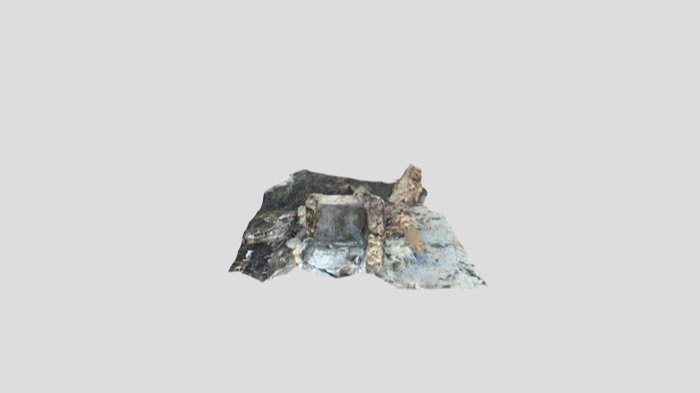
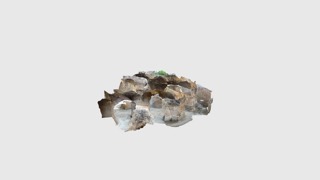
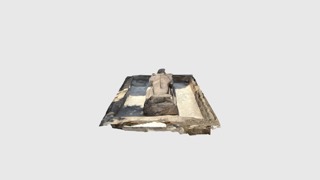
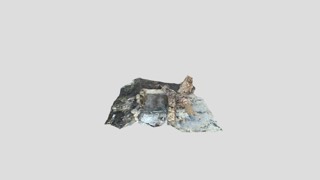
Open the full recordIn early 2026 Storm Harry stripped sand off the seabed near Nabeul and exposed part of Neapolis, a Punic and later Roman city that collapsed into the sea after a tsunami in the 4th century CE. Stone blocks and wall lines were visible for a few days before the sediment returned. Tanit XR captured the newly exposed area inside that window. This hall holds one object, and it is the reason we work quickly.
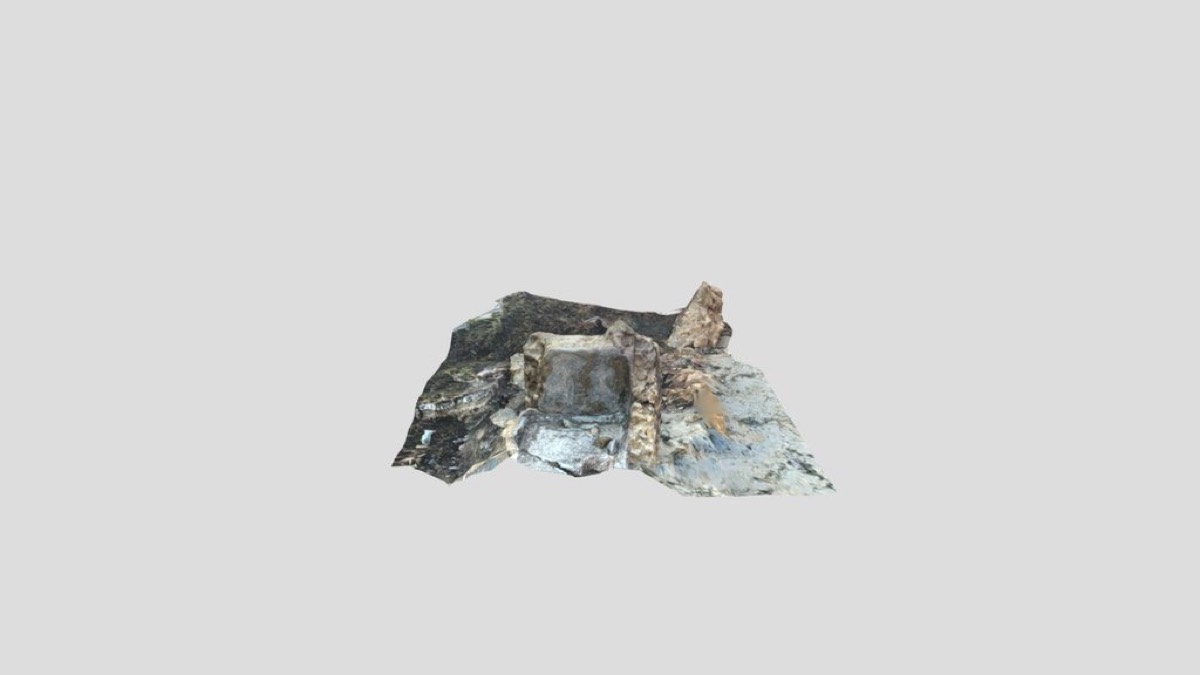
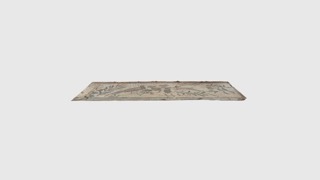
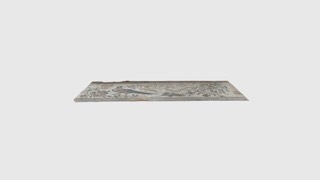
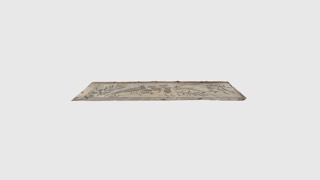
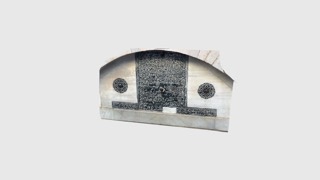
New Neapolis Site Revealed By Recent Floods(Storm Harry) In Tunisia. Scanned by Youssef Lakdhar!.
Open the full recordMost were captured with a phone. The halls are also being rebuilt as a real space you can walk in VR, room by room, by the same team.
زُر المتحف الافتراضي Volunteer with usLooking for a specific scan, a download or the game-ready twins? Browse the full archive.