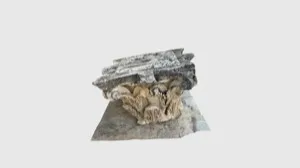
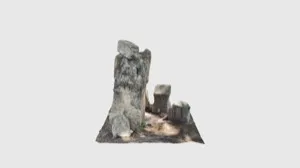
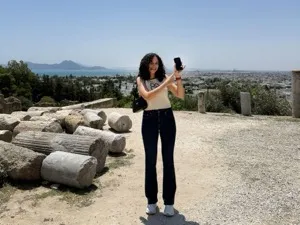
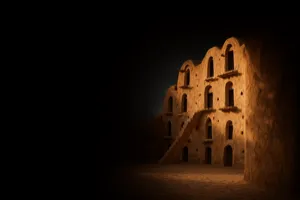
That is our mission, brought into the digital age. We train volunteers worldwide in 3D photogrammetry to scan heritage sites on the ground. Students and skilled volunteers optimize, publish and research the models, and they are shown in an interactive online virtual museum alongside other media. Our work in Tunisia and beyond is a model for democratizing, protecting and sharing cultural heritage, committed to ethical technology use and community engagement.
A global community that digitizes, preserves, shares and experiences cultural heritage.
Scanning sites and objects before they disappear or are damaged by neglect, conflict and a changing climate.
Making artifacts accessible to researchers, students and communities worldwide, free, in a browser or a headset.
Uncovering and preserving stories with archaeological research and digital restoration.
Connecting educators, institutions and communities to celebrate and protect cultural heritage, in Tunisia first and now in Nigeria.
 115+3D models published
 8+Sites Documented
 85+Volunteers
 32k+People reached online
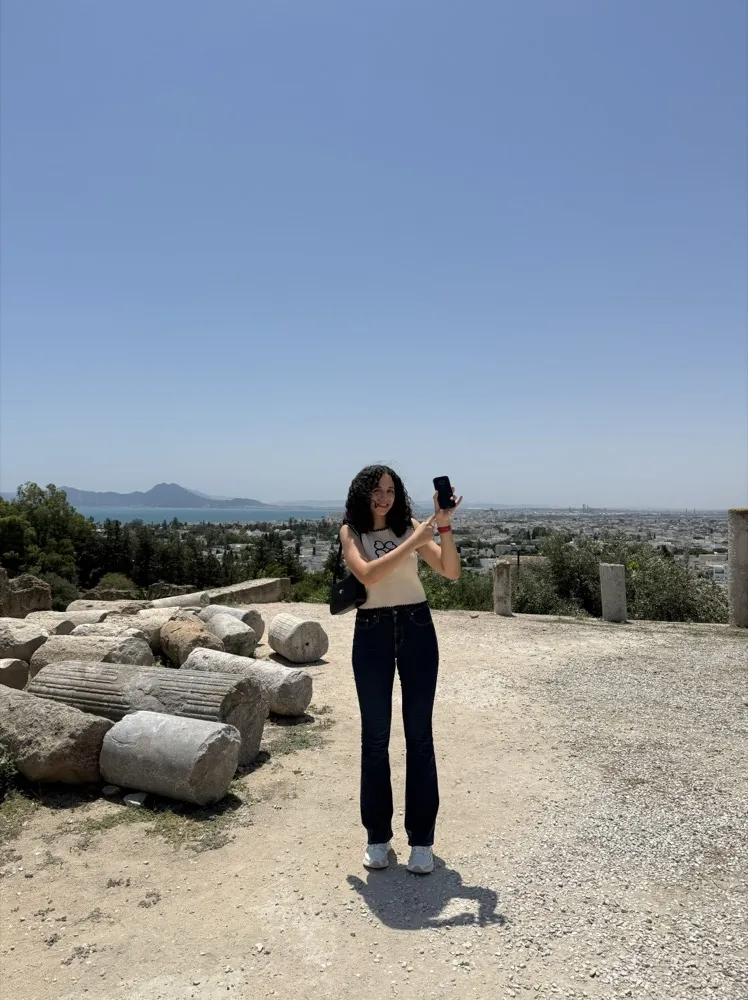
I grew up walking past the ruins of Carthage every day. To me, they were just there, a backdrop of my childhood. But slowly I began to notice how pieces were missing, how mosaics cracked and crumbled, how nothing was truly protected. Tunisia’s history is not kept in vaults or guarded museums. It is left in the open air, vulnerable to time, weather and neglect. And every year, more of it disappears.
Tanit XR was born from the fear of losing this history forever and the belief that technology can change the story. With 3D scanning, digital archiving and immersive storytelling, we can preserve what remains and share it with the world. Each scan is more than data; it is a memory, a voice from the past, a way of saying: we were here, and we matter.
– Ines Said, Founder
Tanit XR operates under fiscal sponsorship with Florida Community Innovation, a U.S. 501(c)(3) nonprofit, which lets us accept tax-deductible donations while we grow toward a fully independent organization. Nobody is paid. Our work advances Sustainable Development Goal 11.4, safeguarding cultural and natural heritage.
You don’t need to be an archaeologist or a technologist to make an impact. Our first scans were made with a phone. Whether on the ground in Tunisia or helping remotely, every volunteer contributes to preserving history.
Volunteer